Orchestrating EV Load: Real-World Lessons in Advanced Managed Charging



Looking to advance your managed charging program in 2026? Check out the findings from ev.energy’s recent webinar, where MCE and Avangrid shared real-world lessons on deploying dynamic signals and reaching multi-family housing communities.
The North American grid is at a critical inflection point. With EV load projected to triple over the next five years, the conversation for utility leaders has shifted from testing concepts to operationalizing success across diverse customer segments and complex grid constraints.
To navigate the steep grid demand, North American utilities are transitioning from basic EV load-shifting to sophisticated orchestration that reaches every driver segment. By combining inclusive program design with dynamic, active management, grid operators can turn EV load into a reliable, rate-case-ready Virtual Power Plant (VPP).
In our recent Advanced Managed Charging Insights webinar, Kate Merson, our Sales Director for North America, sat down with Melanie Biesecker (MCE) and Charles Spence (Avangrid) to look at how these leading energy companies are scaling vehicle-grid integration to capture the full value of flexible EV load.
The $30 Billion Imperative: Capturing the Value Stack
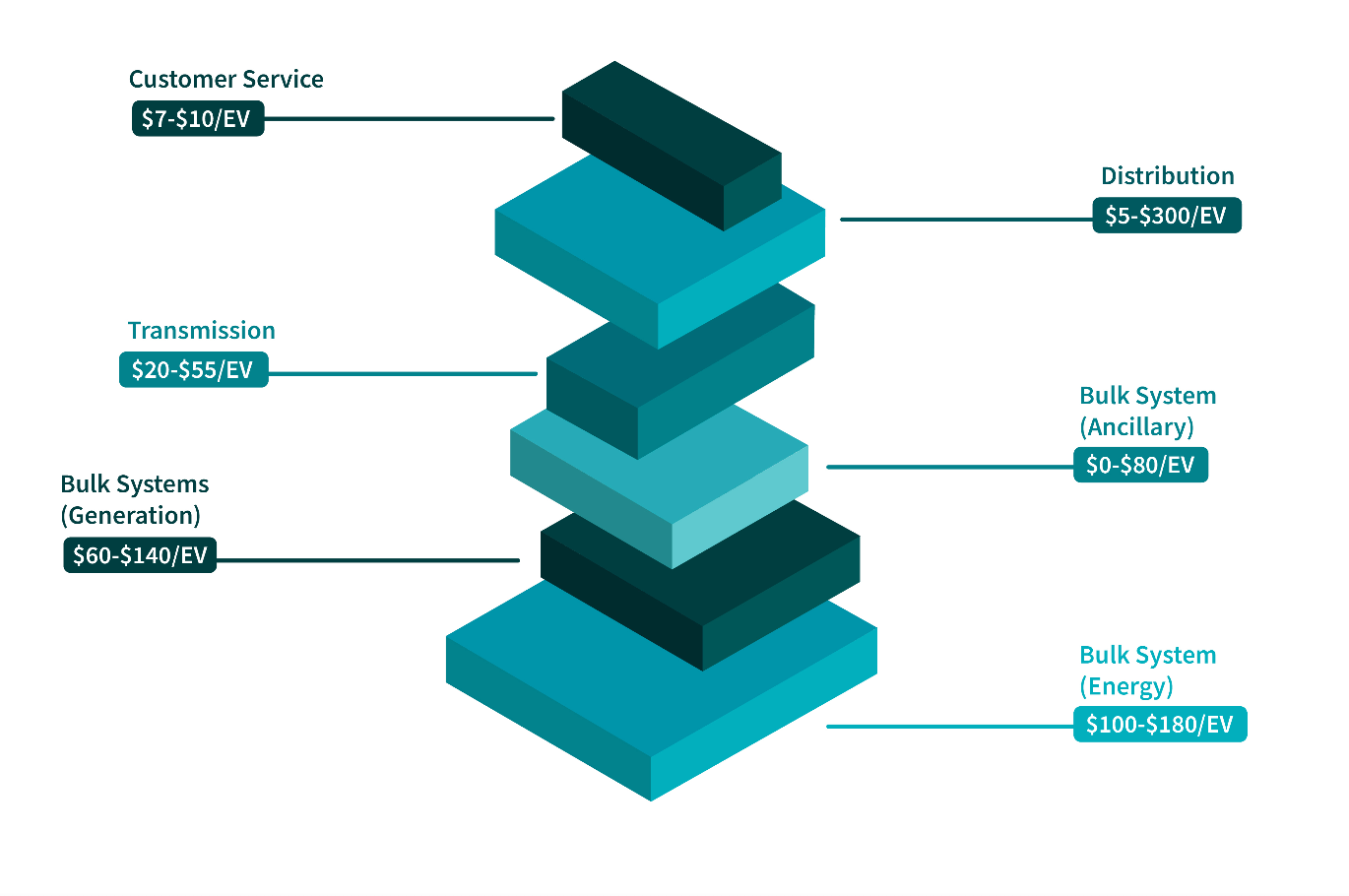
The foundation of a successful EV load management strategy is the Managed Charging Cost-Avoidance Stack, built by ev.energy with research support from The Brattle Group. The framework provides six layers of grid benefits ranging from local distribution deferral to wholesale energy procurement. For utilities facing billions in network upgrades, these benefits are no longer optional; they are a financial necessity.
"As demand grows, and the world electrifies, there’s a real risk that households across the US will face higher energy rates. The challenge for utilities is that demand is rising fast, and traditional solutions - like building power stations - are slow to deliver and costly. The great news is that there is a solution. If we can unlock demand flexibility from EVs, we can turn EV load growth from a problem, to the solution. This will enable us to reduce rates for everyone - not just EV owners - turning the risk of energy price inflation into an opportunity to reduce rates by an average of 10% by 2035." — Nick Woolley, CEO of ev.energy
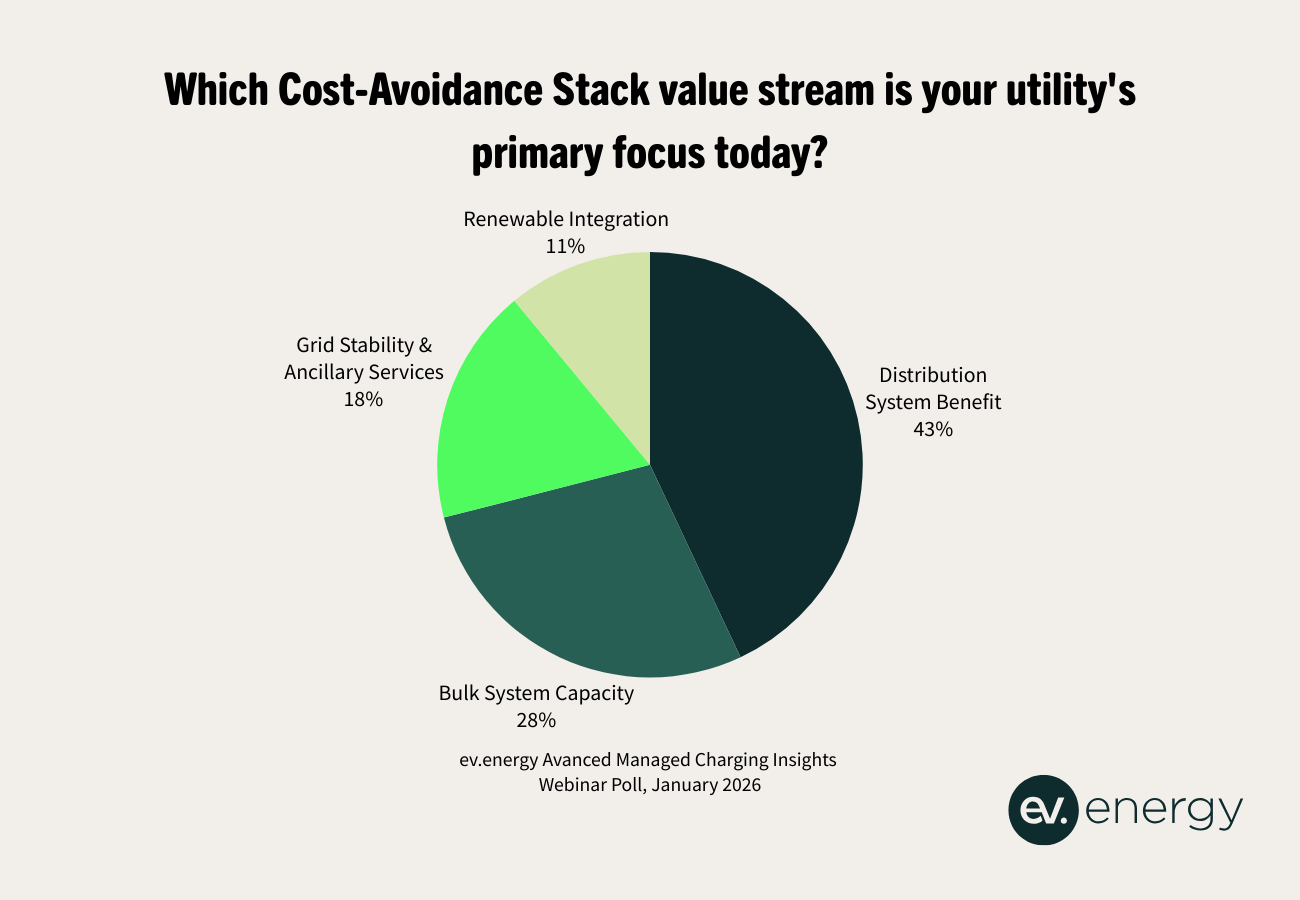
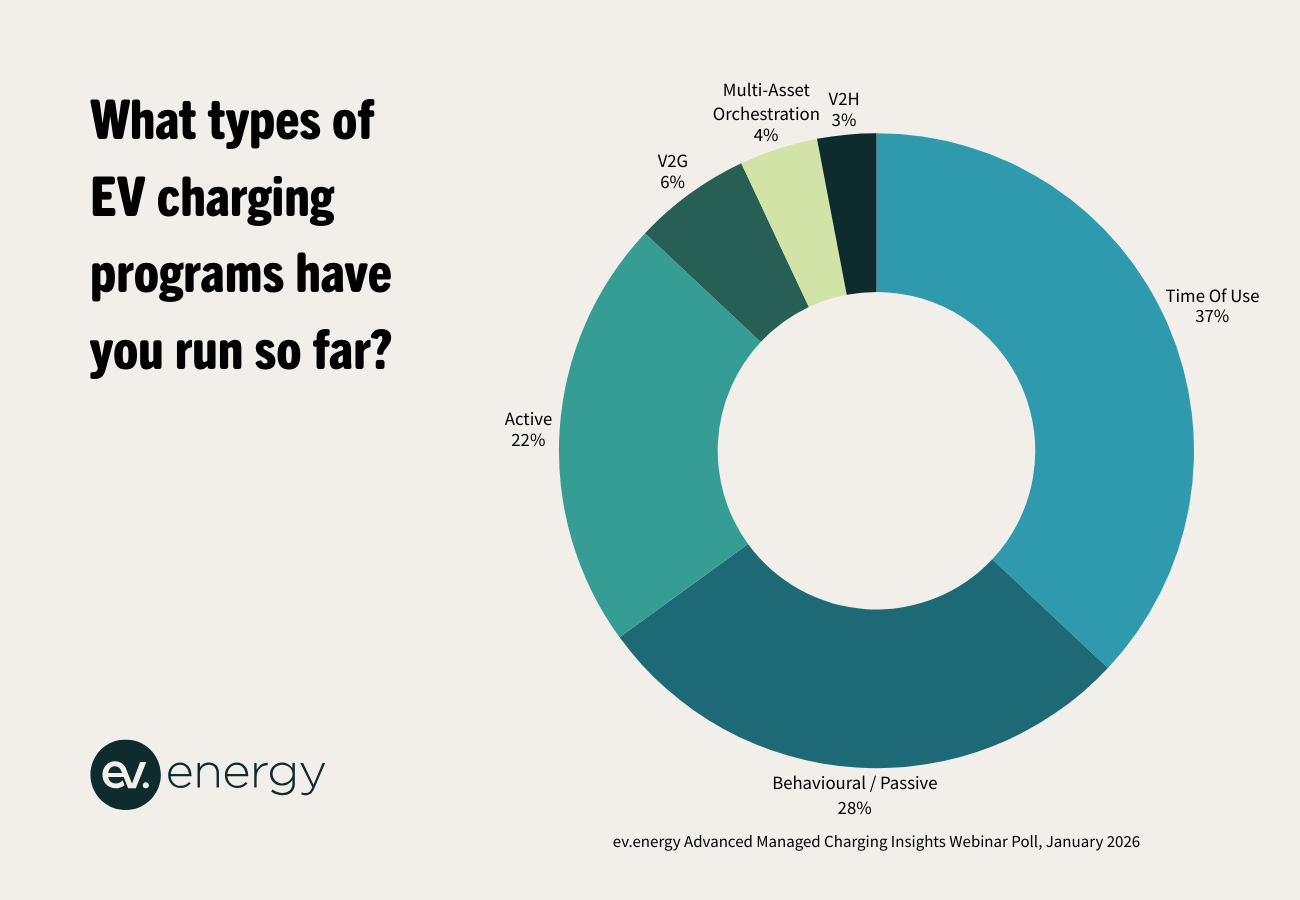
Our webinar audience confirmed that avoiding infrastructure costs is the primary driver for these investments:
Climbing the Managed Charging Ladder
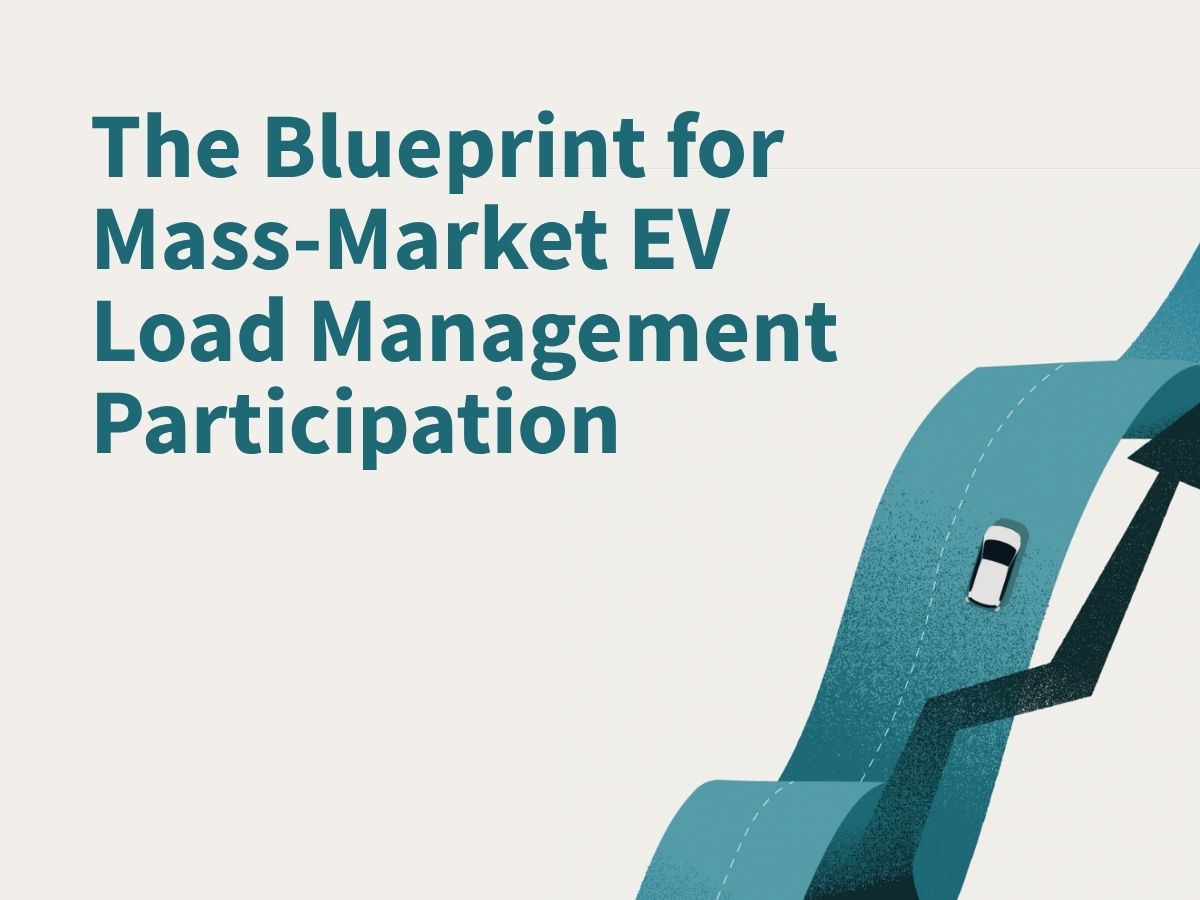
To capture this value, programs must move participants up the Managed Charging Ladder. While Time-of-Use (TOU) rates or Behavioral Programs are an essential entry point, they often lack the precision required for higher-tier grid services, as Kate recently shared in our Blueprint for Mass-Market EV Load Management Participation.
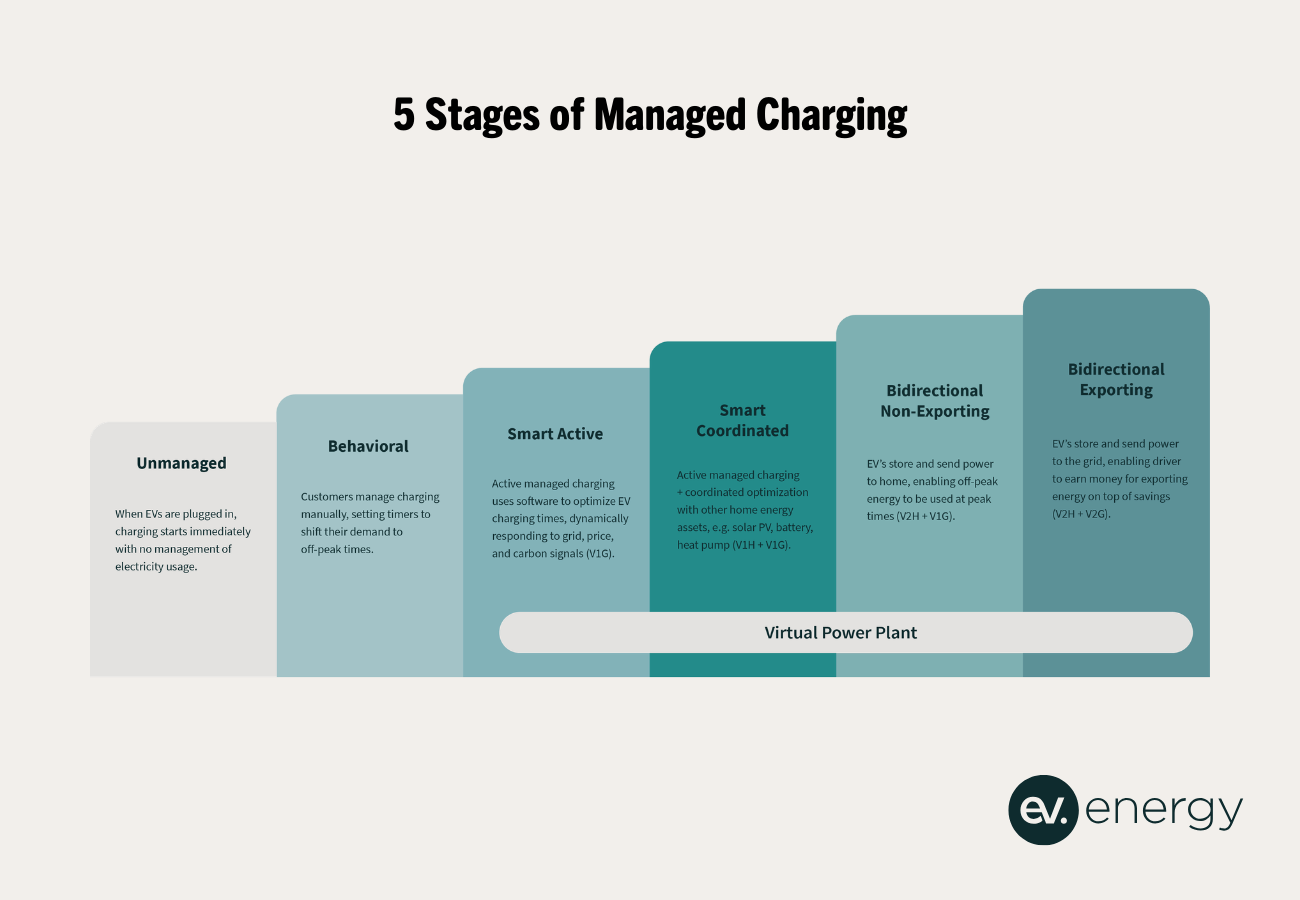
Scaling requires a portfolio approach that meets drivers where they are while moving them toward more active, automated participation:
"We recommend a holistic and multi-pronged solution where you have rates and behavioral solutions, active orchestration, and then a sliver of the population that we believe will be very interested in bi-directional. In aggregate through all of these program types, we can unlock that $30 billion cost-avoidance." — Kate Merson, Sales Director - North America, ev.energy
Maximizing Value: MCE’s Shift to Dynamic Flexibility
Increasing the flexibility per customer is crucial to maximise program value. MCE’s Melanie Biesecker shared how the MCE Sync program is evolving to maximize grid impact through dynamic, price-responsive orchestration.
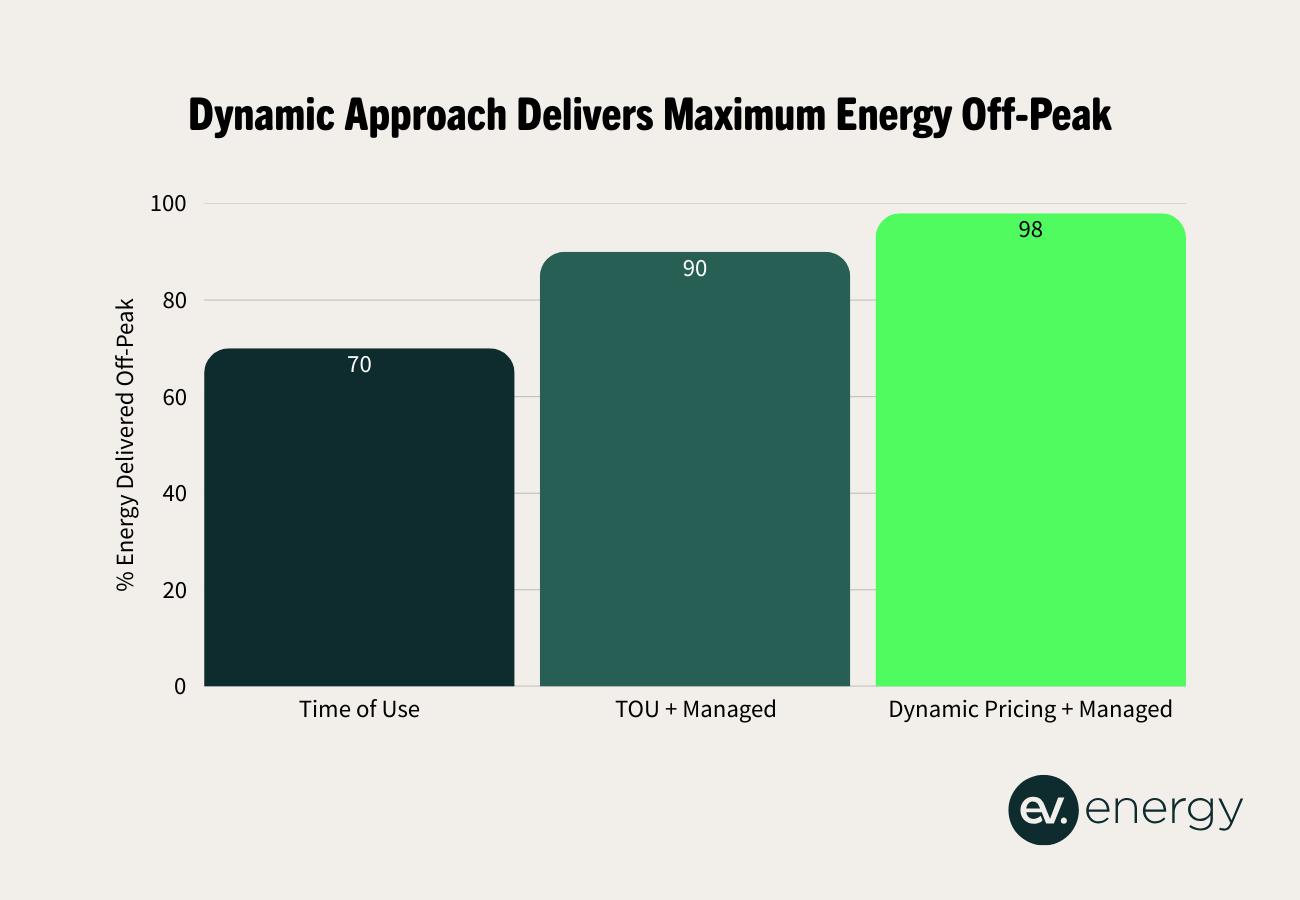
By integrating dynamic wholesale price signals from CAISO markets, MCE was able to reach a market-leading 98% EV load compliance, surpassing the 60-70% typically achieved by TOU rates.
Furthermore, MCE moved beyond just shifting load away from the evening peak. They actively encouraged charging between 9 AM and 3 PM to soak up excess renewable solar generation, effectively optimizing to offset the "duck curve” imbalance between solar supply and energy demand peaks.
"We also saw a 25% increase in daytime charging, which is really exciting for us because we love to shift load out of the peak times, but we would love it even more if customers could charge when the sun is out." — Melanie Biesecker, Senior Customer Programs Manager, MCE
The program results showed that active automation delivers superior grid results while providing a better financial outcome for the driver. Customers on the dynamic tier earned incentives upwards of $40 per month. That’s four times higher than the standard $10 incentive for standard participation in low-carbon events.
Achieving Scale and Equity: Avangrid’s Multi-Family Strategy
True scale is impossible if utilities cannot reach residents in high-density neighborhoods. Avangrid’s Charles Spence discussed the imperative of bringing managed charging to those living in apartment buildings and multi-family housing, where residents often face technical barriers such as shared charging infrastructure and complex metering.
Avangrid is overcoming these hurdles by focusing on a telematics-first approach. By connecting directly to the vehicle’s onboard modem, the utility can manage the load and provide incentives regardless of the hardware used at the site.
"In multi-unit sites where there's a shared charger, unless we can separate who's doing what at what time and who’s responding to our signals, we're not able to award incentives or say we’ve effectively shifted load at that site. ev.energy’s Platform allows us to pull it apart. If we're getting data directly through the vehicle itself, it becomes a very easy problem solved." — Charles Spence, Vehicle-Grid Integration Programs Manager, Avangrid
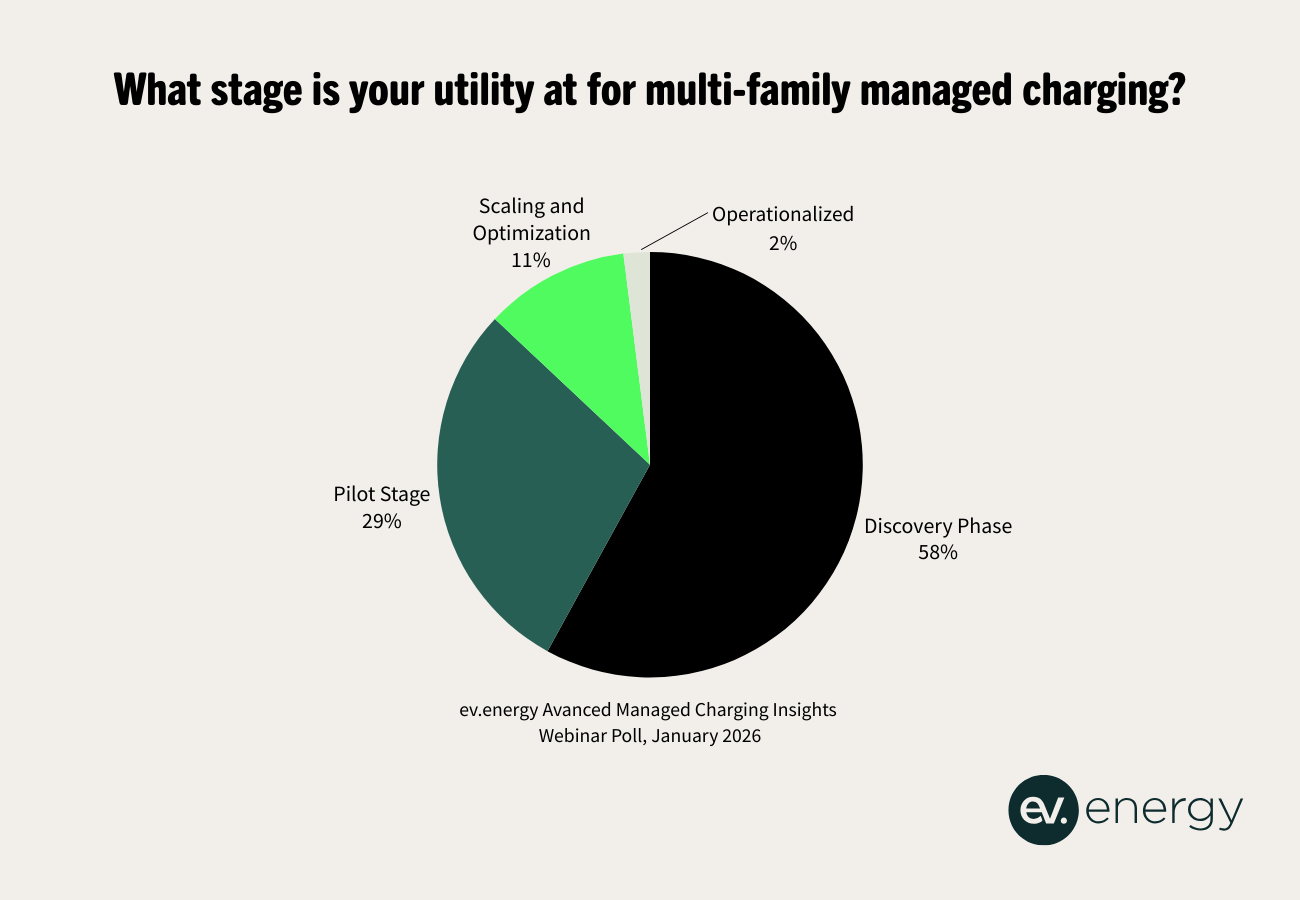
This focus on equity and access is critical, as nearly half of our utility audience is still in the discovery phase for these segments:
The Path in 2026: Orchestrating the Autonomous Grid
Leaders like MCE and Avangrid are laying the groundwork for a more resilient and affordable energy system. As we move toward 2026, the goal is to transition from siloed DER programs to a unified Virtual Power Plant (VPP).
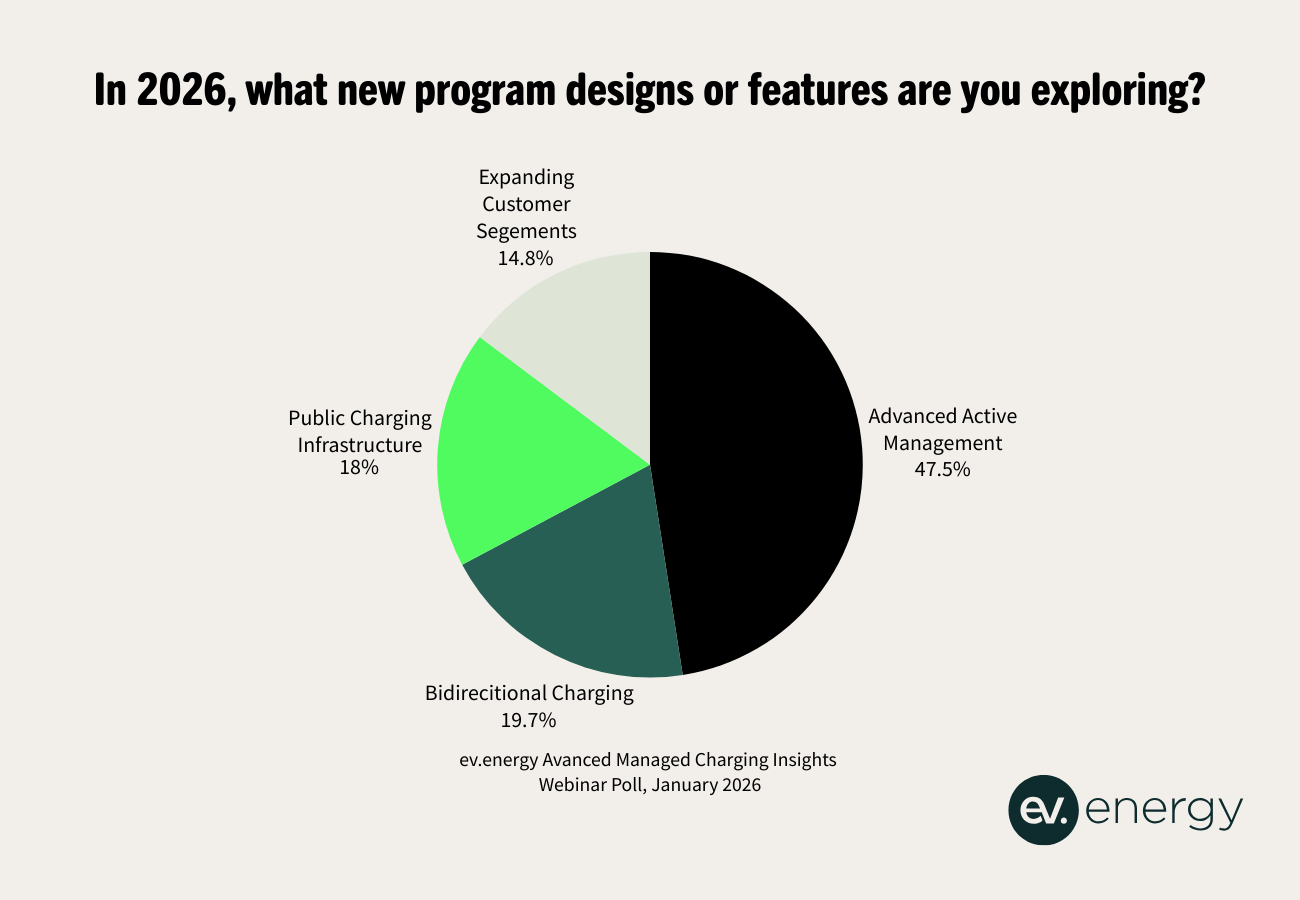
Our final poll highlighted that utility leaders are diversifying their roadmaps to include both advanced management and bidirectional technology:
In response to these trends, the ev.energy Platform now provides the Autonomous Grid Stack for utilities to:
- Plan with AI-driven forecasting
- Act via automated DER orchestration, using Bundles like NetworkSync and LoadSync for specific cost-avoidance use cases
- Defend through audit-grade Measurement & Verification.
This ensures every device, be it an EV, residential battery, or solar array, contributes to grid reliability and affordability.
Gearing Up for Strategic Optimization
The Advanced Managed Charging webinar session made one thing clear: the time for perpetual pilots is over. Every day a program remains limited in scope is a day of missed system value and avoidable infrastructure costs. By following the examples set by MCE and Avangrid - focusing on maximizing value per customer and scaling through inclusive, hardware-agnostic design - utilities can build the rate-case-ready VPPs required for a robust, affordable, and decarbonized energy future.
Ready to advance your EV load management strategy? Watch the full webinar replay here or contact our team to learn how the ev.energy Platform can support your 2026 strategy.
%20(1).png)